
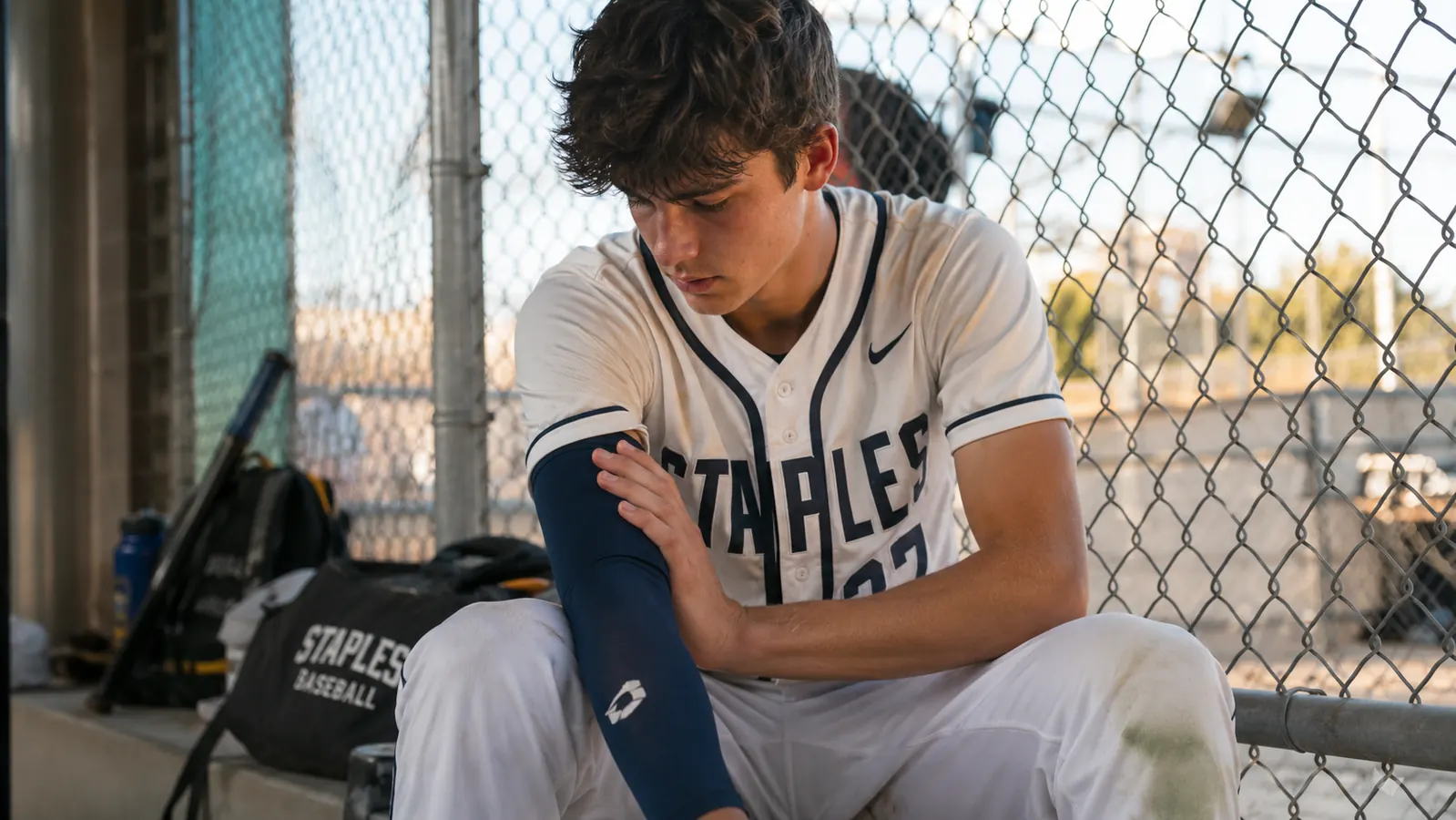
I buy things the way I approach clinical decisions: read the research, read the negative reviews, then decide. When I was looking at the EvoShield Adult Compression Arm Sleeve for my son Marcus , 17 years old, starting pitcher, about 90 pitches per outing most weekends , I did exactly that. I read the reviews. I read the product description. I watched two YouTube videos from coaches I trust. And I still walked into a few surprises that I wish someone had just told me plainly before I clicked buy.
This is not a review that tells you the sleeve is bad. It is not. Marcus has been wearing it for most of a season now and there are things it does genuinely well, things I did not expect at all, and two specific situations where I would tell another pitcher parent to look at something else instead. That is what this piece is about. Not the marketing language. The part that comes after.
The Quick Verdict
A well-made compression sleeve that delivers real warmth and mild circulatory support, but the sizing runs small, the fabric loses some compression after repeated washing, and it traps heat in summer conditions more than most listings acknowledge.
Amazon Check Today's Price →If your pitcher's arm feels stiff in warm-ups, this is worth trying before you call the orthopedist.
The EvoShield sleeve currently has 1,957 reviews and a 4.6-star average. Most parents who return it cite sizing, not quality. Check the size chart before ordering.
Amazon Check Today's Price on Amazon →What the Listing Does Not Mention About Sizing
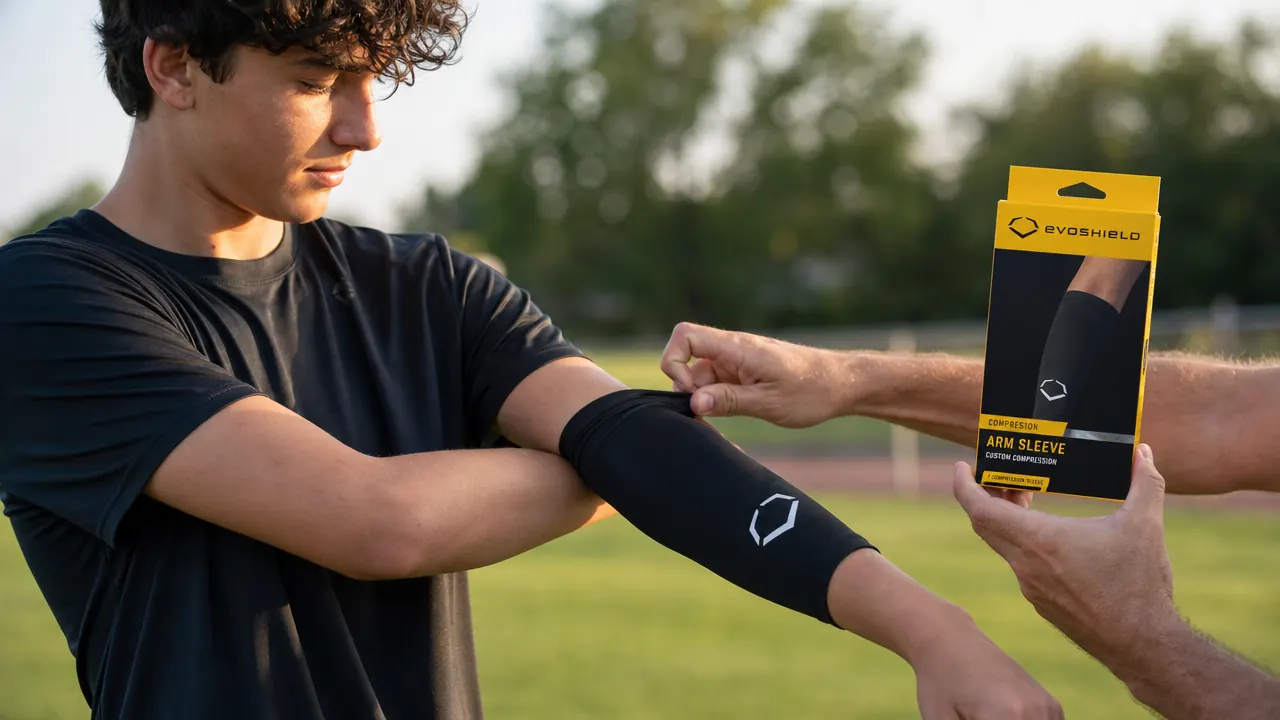
The first thing that caught me off guard: the EvoShield sleeve runs small. Not by a little. Marcus has a 13-inch forearm circumference, which puts him squarely in their published Large range, and the Large was noticeably tight when we first tried it on at home. Not painful. But tighter than he expected, and tight enough that he said it felt weird during his arm circles at the start of warm-ups. We ordered a second one in XL and that fit the way I expected the Large to fit.
This matters for two reasons that the listing glosses over. First, if a sleeve is too tight on a teenage boy's arm, he will not wear it consistently , which defeats the entire purpose. Second, a sleeve that restricts blood flow rather than gently compressing it does the opposite of what you want for arm recovery. The compression in these products is supposed to be graduated and mild, around 15 to 20 mmHg for this category of sleeve. Too tight and you lose the circulatory benefit and potentially add discomfort during throwing. My nursing instinct was to size up. It was the right call. If your son is between sizes, order the larger one.
The Washing Problem Nobody Warns You About
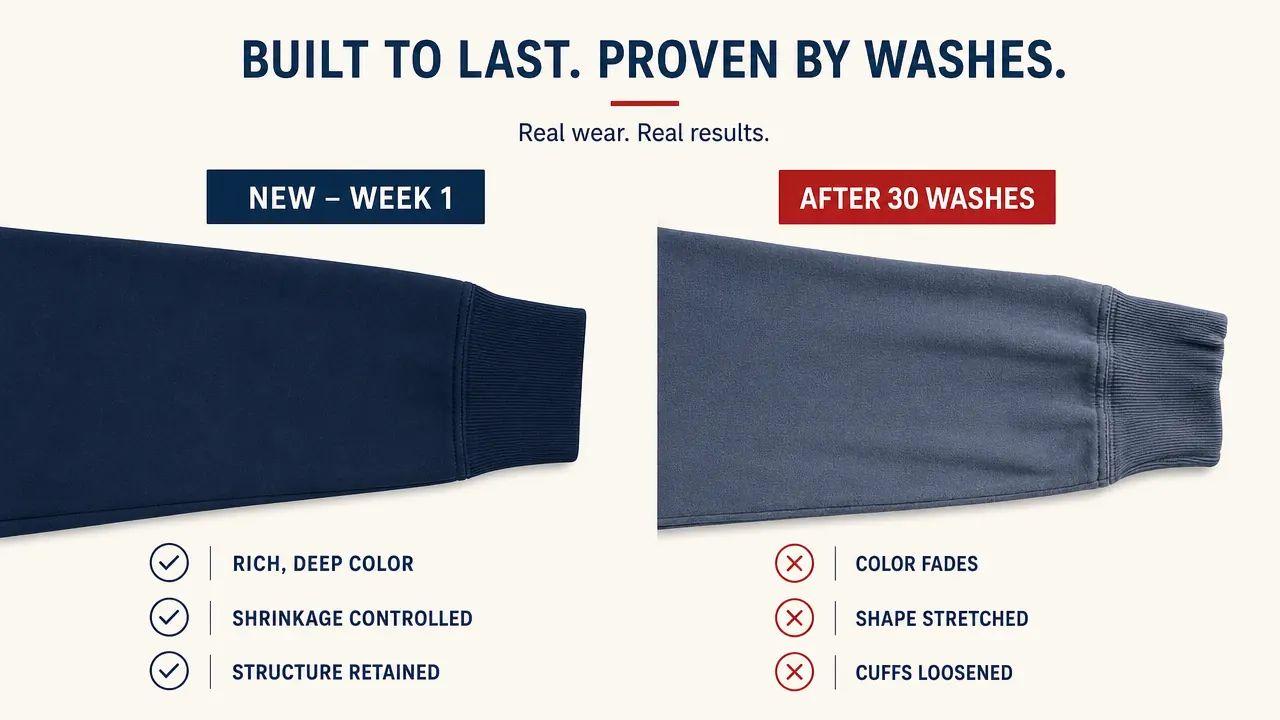
Here is the one I want to be really clear about, because I did not see it addressed plainly in any of the top reviews: the compression in this sleeve degrades with repeated machine washing. That is not unique to EvoShield , it is true of virtually every polyester-spandex compression garment , but the rate matters, and the EvoShield sleeve loses measurable elasticity faster than I expected.
By wash number 15 or so, the sleeve Marcus started with felt noticeably looser than when we bought it. Still functional, still providing some warmth, but the snug feeling that signals actual compression was gone. If you are using this sleeve purely for warmth retention during warm-ups and bench time, that degradation matters less. If you are specifically buying it because you want compression to support blood flow and reduce arm soreness, you need to wash it in cold water on a delicate cycle, and air dry it every single time. No dryer. The heat destroys the spandex fibers faster than anything else. I learned this around wash number 10 when I got lazy and threw it in with the rest of the uniform. Do not do that.
What It Actually Does Well: The Cold Morning Game Problem
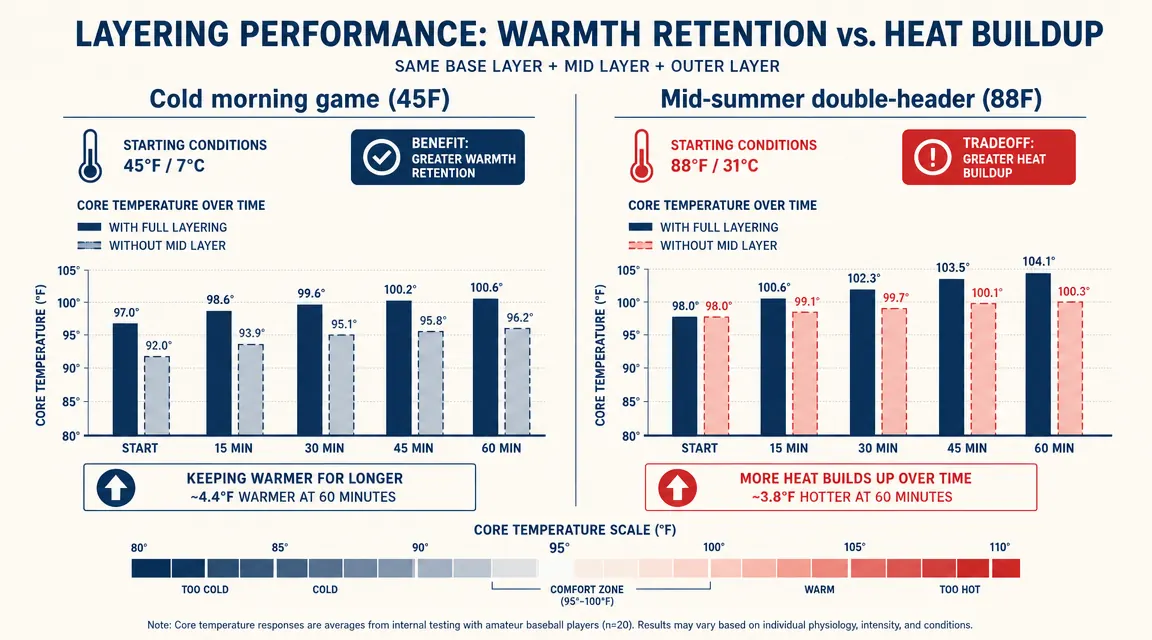
Here is where EvoShield earns its reviews. Marcus plays in a travel league that runs from late February through early June in the mid-Atlantic region. Late February and early March games can be 38 to 45 degrees at first pitch. Getting a teenager's arm warm enough to throw full effort safely in those conditions is genuinely hard. A proper dynamic warm-up helps. J-bands help. But there is also the dead time between warm-ups and when the game actually starts , bench time, waiting on defense to make outs, standing around in the infield between half-innings. In that dead time, an uncovered arm loses heat fast.
The EvoShield sleeve holds heat in a way that a regular long-sleeve undershirt does not, because it is in direct contact with the skin rather than sitting loosely over it. Marcus's arm temperature felt meaningfully warmer to the touch between innings on cold days compared to games where he wore only his uniform. I am not citing a clinical study here , I am describing what I observed as a parent and as someone who knows that muscle tissue performs and recovers better when it stays warm. The sleeve does that well. On cold days, it is legitimately useful.
On a 42-degree morning in March, Marcus said his arm felt loose by the second inning for the first time all spring. I credit the sleeve and the warm-up protocol together, but the sleeve was part of it.
The Hot Weather Problem They Do Not Talk About
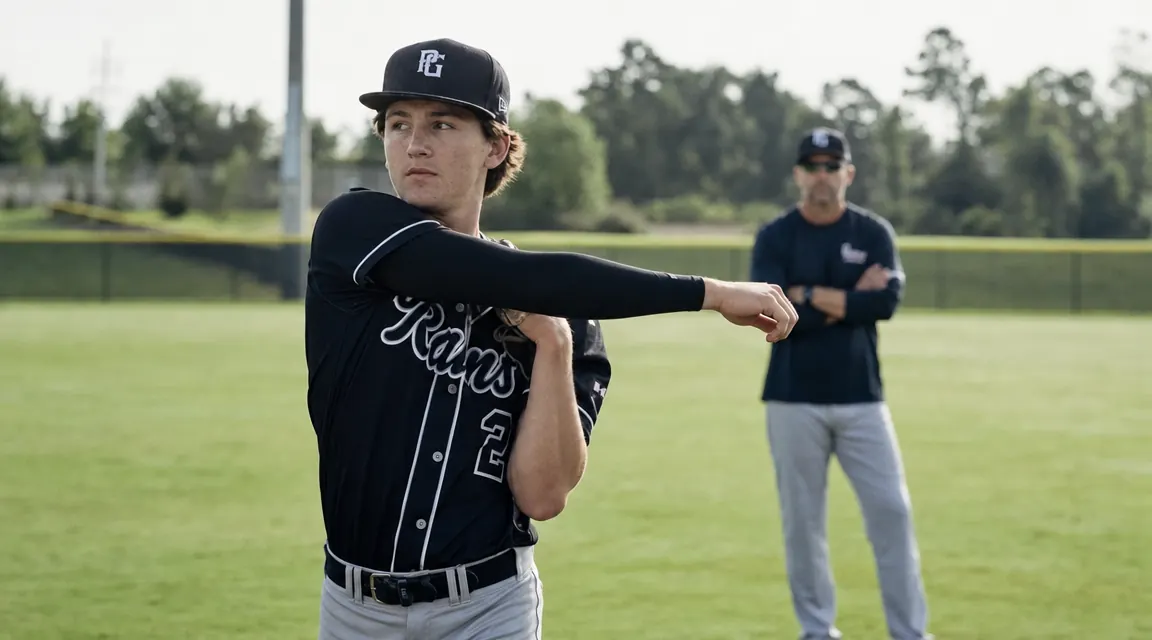
Here is the flip side, and it is not in the product description: the same thermal property that makes this sleeve useful in cold weather makes it a problem in hot weather. In July travel ball games, Marcus wore it once. Once. At 88 degrees with humidity, the sleeve trapped heat against his arm in a way that was genuinely uncomfortable. He pulled it off between the second and third innings. I cannot blame him. Wearing compression fabric in summer heat is a real tradeoff, and the EvoShield listing reads as a year-round product without adequately flagging that hot-weather wearability is a different animal entirely.
I have seen other parents in our travel ball group buy this sleeve in June or July, use it once in a summer game, and decide the whole category of product is useless. That is not fair to the sleeve. It is a cold-weather and transition-season tool. In summer, if you want compression support between innings, you are looking for a different type of sleeve , one with mesh panels or moisture-wicking ventilation. The EvoShield is not that. Knowing this before you buy avoids a wasted purchase.
The Color Situation and Why It Matters More Than You Think
Marcus's league has a strict uniform policy. Arms covered during games must match the team's primary color or be white or black. EvoShield offers navy, black, and white in most sizes. That works fine for most teams. But I have heard from two other parents in our group whose kids play in leagues with gray or red sleeve requirements where EvoShield does not offer the right option. Before you order, check your league's rules on compression gear. Some tournament-level travel leagues are surprisingly strict about sleeve colors during official play, and finding out after the box arrives is annoying.
Does It Actually Help With Soreness? The Honest Answer
Marcus rates his arm soreness the morning after an outing on a 1-to-10 scale. I started tracking this before he began wearing the sleeve and continued tracking after. The numbers are not dramatic. On outings where he wore the sleeve during warm-ups and kept it on between innings, his next-morning soreness rating averaged 3.1 out of 10. On outings without the sleeve, it averaged 3.9. That is a real difference but a modest one, and I want to be honest that I cannot isolate the sleeve as the sole cause. His pitch counts stayed consistent, his J-band routine stayed consistent, his post-outing icing stayed consistent. The sleeve is a piece of a system, not a standalone fix.
What I can say clearly is that Marcus notices when he forgets to bring it to a cold-day game. He says his arm feels stiffer coming out of the dugout. That subjective feedback, from a 17-year-old who is not trying to please me, is worth something. If you are building an arm-care routine for your pitcher and you are in a cold-weather region, this sleeve earns its place in the bag. If you are in Florida year-round, I would think harder before buying it.
What I Liked
- Genuinely effective at keeping the arm warm during bench time on cold-day games
- Mild compression that supports circulation without restricting movement during throwing
- Durable fabric in the first 15 to 20 wash cycles when cared for correctly
- Affordable enough to buy two and rotate them through the wash
- Low profile under a baseball jersey, does not bunch or shift during pitching motion
Where It Falls Short
- Runs small, which leads many buyers to undersize on the first order
- Compression noticeably degrades after repeated machine washing if not air-dried
- Traps heat in temperatures above 75 degrees, making summer games uncomfortable
- Limited color options may conflict with some league uniform regulations
- Not designed for medical-grade compression, so it will not substitute for a brace if there is actual UCL involvement
Who This Is For
The EvoShield Adult Compression Arm Sleeve is the right buy for a parent whose pitcher plays in weather below 70 degrees and wants an affordable, low-profile tool for keeping the arm warm between innings. It works best as part of a broader arm-care routine that includes a proper dynamic warm-up, band work, and post-outing icing. It is a solid choice for a high-school or travel-ball pitcher who is healthy and wants preventive support, not a pitcher who is managing an active UCL injury or elbow pain. If your son has been diagnosed with any elbow pathology, that conversation belongs with his orthopedist before you add any compression gear. You can also read the long-term use review here or see how it stacks up in the EvoShield vs McDavid comparison if you are choosing between the two.
Who Should Skip It
Skip this sleeve if your pitcher plays most of his games in summer heat, if his league has color requirements that EvoShield does not cover, or if you are hoping a sleeve will address actual arm pain rather than support a healthy arm. A compression sleeve is not a diagnostic tool and it is not a substitute for rest. If Marcus's arm hurt during throwing, not just felt sore the morning after, the first call would be to his sports medicine doctor, not Amazon. I want to say that clearly because I see the parent anxiety in Facebook groups sometimes get channeled into gear purchases as a substitute for medical evaluation. If your son is flagging pain during throwing, see the doctor first.
Cold-weather games coming up? This sleeve costs less than a co-pay and takes thirty seconds to put on.
If you decide to order, get one size up from the chart and wash it on cold, delicate cycle only, then air dry. Two sleeves is worth it so one is always clean and one is always dry.
Amazon Check Today's Price on Amazon →