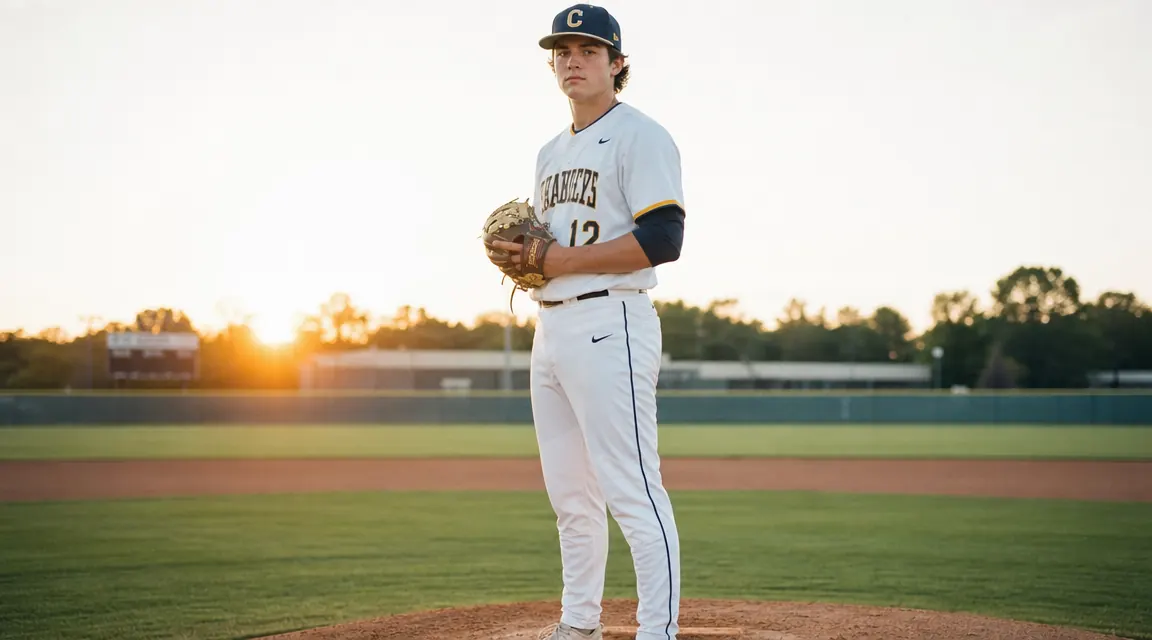
My son Marcus threw his last pitch of the travel ball season in October and immediately grabbed his elbow. Not screaming, not crying. Just that quiet, controlled grab that I recognized from nursing school: the gesture of someone testing whether something is wrong. The McDavid elbow support I bought him a week later did not heal a single tendon. What it did was give my son back the confidence to throw. He was 16. His MRI three days later showed early UCL stress, not a tear, but enough inflammation that our orthopedist put him on a six-week throwing restriction. No bullpen. No catch. Nothing.
That was the easy part. The six weeks passed. His arm healed on paper. The follow-up imaging looked clean. His ortho cleared him to return to throwing in December, right as winter workouts were starting for his junior year. And Marcus would not throw hard. He would warm up, get loose, and then just stop accelerating at about 70 percent. Every. Single. Throw. His coach texted me in January asking if something was still going on physically. Nothing was. The problem was not in his elbow anymore. It was in his head.
I had seen this before as a nurse, though in older patients recovering from procedures. The body heals faster than the nervous system's threat response does. Marcus had trained himself over six weeks to protect that elbow, and his brain had not gotten the memo that the danger had passed. He would wind up, reach the point of maximum valgus stress at the elbow, and involuntarily pull back. His velocity was down four miles per hour from where he had been in September. His coach thought it was conditioning. I knew what it actually was.
I started reading about proprioceptive feedback and injury confidence in younger athletes. The research is thin in baseball specifically, but there is a solid body of work in soccer and basketball showing that tactile feedback from compression supports helps athletes re-engage with previously injured joints. The theory is simple: the sleeve gives the brain real-time sensory information about joint position and movement, which quiets the threat signal enough that the athlete will actually load the joint again. I figured it was worth thirty dollars to find out.
The body heals faster than the nervous system's threat response does. Marcus had trained himself to protect that elbow, and his brain had not gotten the memo that the danger was over.
If your son's arm is cleared but he still will not let it go, the McDavid elbow sleeve is where I would start.
It is the same one Marcus wore through the rest of his junior year. Affordable, fits under a jersey, and available in youth through adult sizes. Check today's price on Amazon.
Amazon Check Today's Price on Amazon →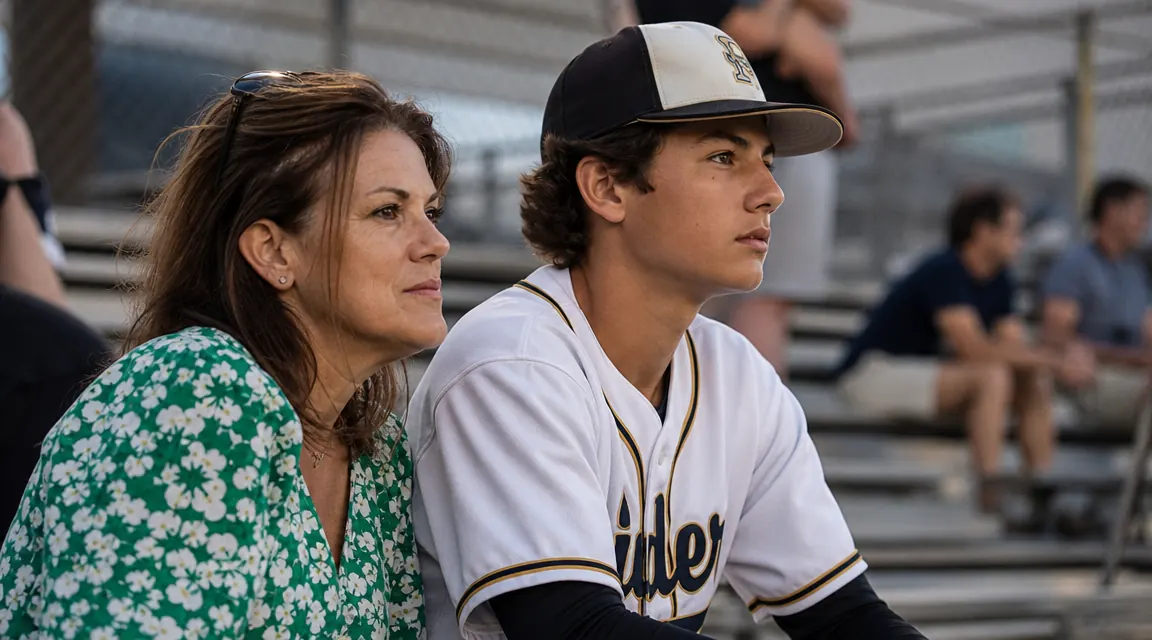
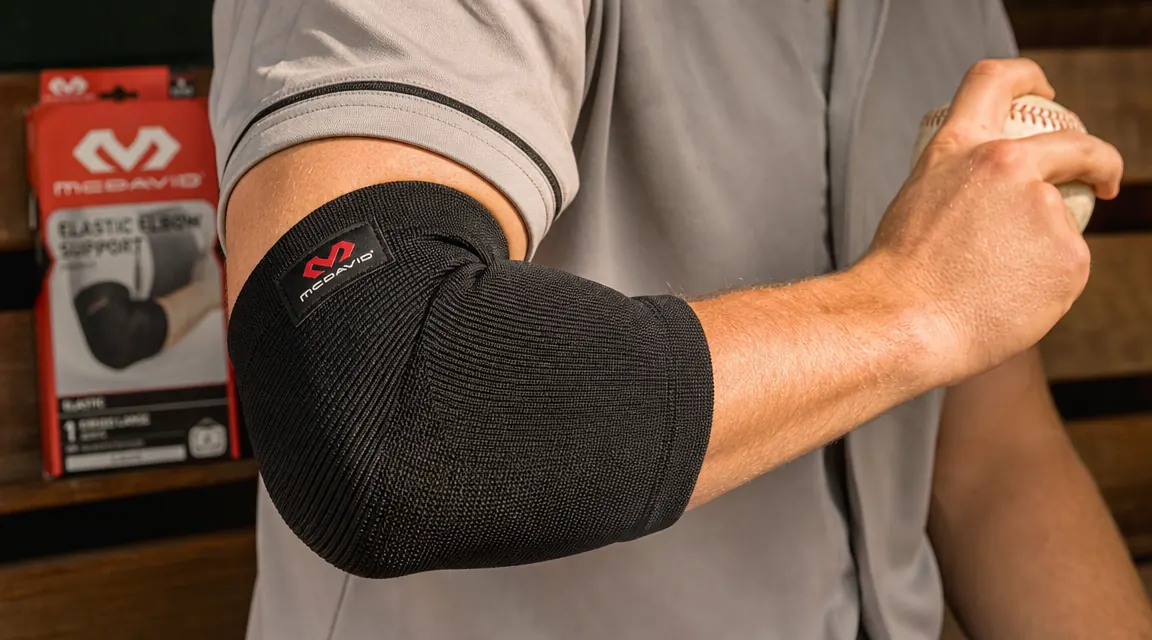
I ordered the McDavid Elastic Elbow Support because it was straightforward: no hinges, no padding, just a fitted neoprene-blend sleeve that applies uniform compression to the elbow joint. I specifically did not want anything that restricted range of motion, because that would only reinforce the idea that the joint was fragile. I wanted something that said to his nervous system, I am paying attention to your elbow. Nothing bad is happening. You can throw.
Marcus put it on for his first bullpen session with it in late January. His pitching coach stood behind the mound with a radar gun. First pitch was 82. Second was 83. By the sixth pitch he was sitting 85 and 86, which was right where he had been before the injury. His coach walked around from behind the mound, looked at the sleeve, and said: what is that thing. I told him it was a compression sleeve. He said, fine by me, whatever works.
I want to be careful here about what I am actually claiming. The McDavid sleeve did not heal Marcus's UCL. His body had already done that. The sleeve did not add velocity or improve mechanics. What it did was give his nervous system enough feedback to stop guarding a joint that did not need to be guarded anymore. That is a smaller claim, but for us it was the difference between a pitcher who was hesitant all spring and one who went on to throw 68 innings in his junior year without a single arm complaint.
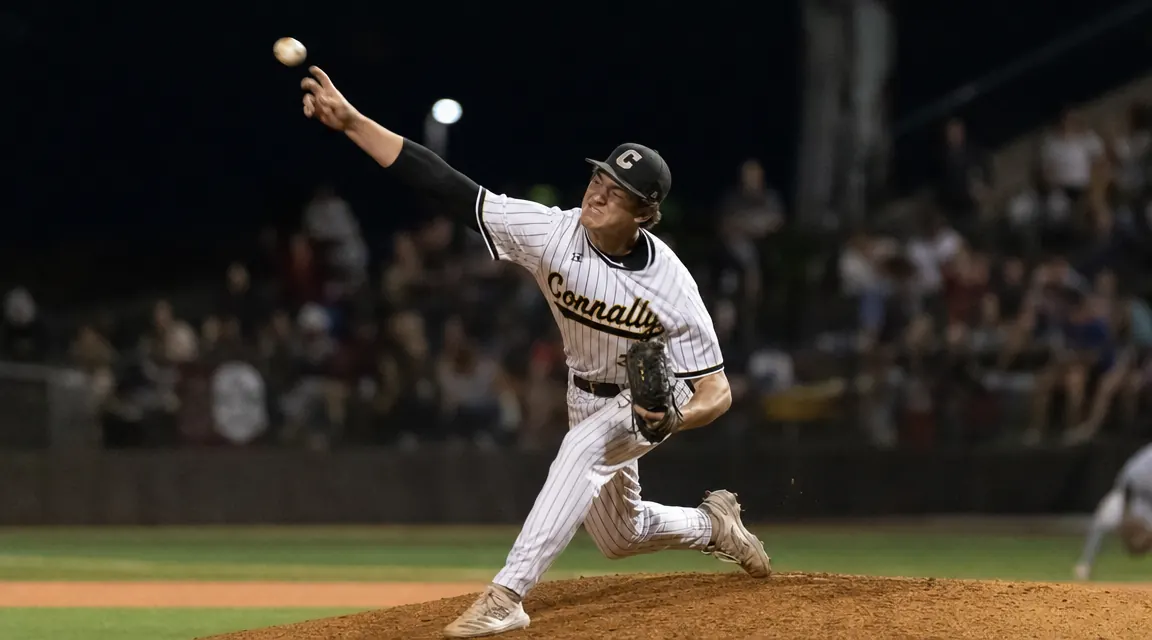
He wore it in every game through May. Took it off for summer after his arm had fully re-trusted itself. By fall his senior year he was not wearing it at all, which was exactly what I hoped would happen. It was a bridge, not a crutch.
What I'd Tell You If We Were Sitting at My Kitchen Table
If you have a kid who has been cleared to throw but will not fully commit, do not assume it is a motivation problem or a mental toughness issue. The hesitation after an elbow scare is a normal protective response, and for most kids it fades on its own over a few weeks. But if weeks turn into months and the velocity is still depressed, look at what tactile feedback you can add to the equation. A well-fitted compression sleeve is low risk, low cost, and grounded in enough physiology to be worth trying before you start digging into sports psychology referrals. That is not to say a sports psych is a bad idea. It is just that sometimes the simpler thing should go first. For Marcus, the simpler thing worked. I am still a little surprised by how well.
If you want the detailed breakdown of how the McDavid sleeve held up over a full season, including sizing, wash durability, and how it fits under a jersey, I wrote a full long-term review at the link below. And if you are still at the stage of figuring out whether elbow support is even the right category to be thinking about, the ten-reasons article lays out the physiology case for why compression matters before any injury shows up.
The McDavid sleeve is what we used. It costs less than a co-pay.
Fits snugly under a jersey, washes without losing compression, and gives the joint the sensory feedback it needs to stop guarding. If your son's arm is cleared but his confidence is not, it is a reasonable first step.
Amazon Check Today's Price on Amazon →