

I want to tell you something up front: I think the PRO ICE Youth wrap is a good product. My son Marcus has used it after every competitive outing for a full season now, and his post-game recovery has been measurably better. But when I bought it, I made three mistakes in the first two weeks that had me convinced it was not working. Two of those mistakes came from things I could not find in any review I read before purchasing. So this article is the review I wish existed before I ordered it.
Marcus is 17 and pitches for his high school varsity team and a travel ball program. He has had two rounds of imaging on his right elbow after a period of medial discomfort in his junior year. Nothing requiring surgery, but enough to make his orthopedist flag it and enough to make me extremely deliberate about post-outing recovery. I do not ice his arm because it is a nice habit. I ice it because we are trying to manage inflammation at the UCL insertion point, and I have tracked what happens when we do not.
The Quick Verdict
Purpose-built for teen pitching arms and genuinely better than improvised icing, but the ice pack durability problem and youth sizing confusion will catch you off guard if nobody warns you first.
Amazon Check Today's Price →If your pitcher is still using a Ziploc and a prayer, this is the upgrade. Just read the sizing guide before you order.
The PRO ICE Youth Pitcher Wrap is designed specifically for baseball pitching arms. It covers the elbow and posterior shoulder, holds the cold surface in the right anatomical position for the full 20 minutes your arm needs, and stays in place without being held. A Ziploc does none of those three things.
Amazon Check Today's Price on Amazon →Mistake One: I Froze the Packs Wrong the First Three Times
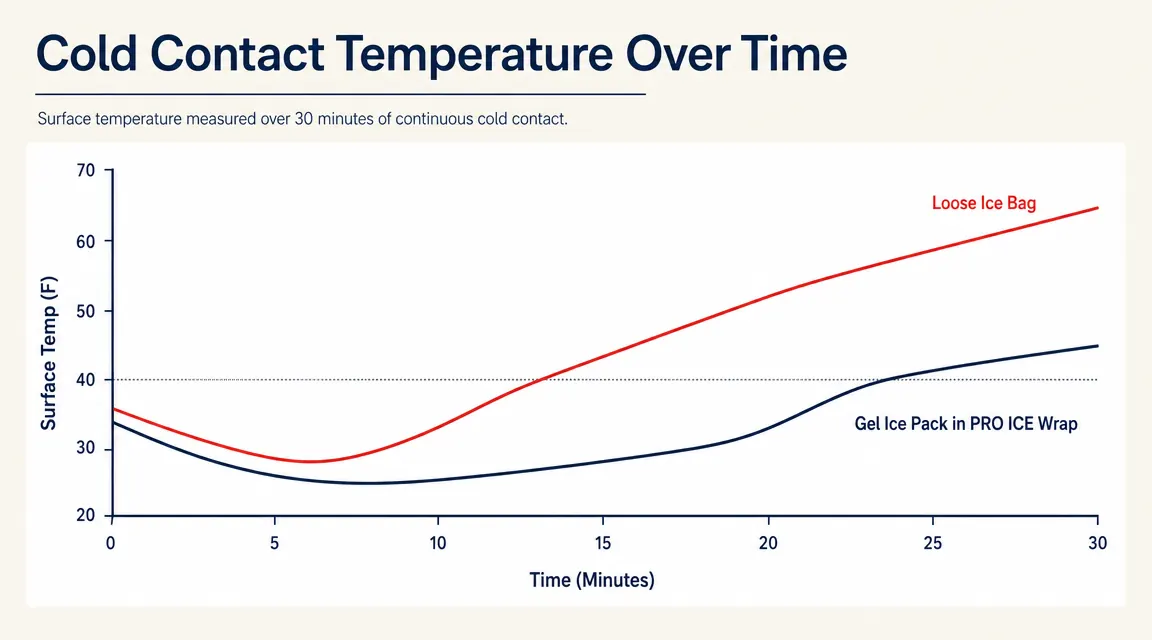
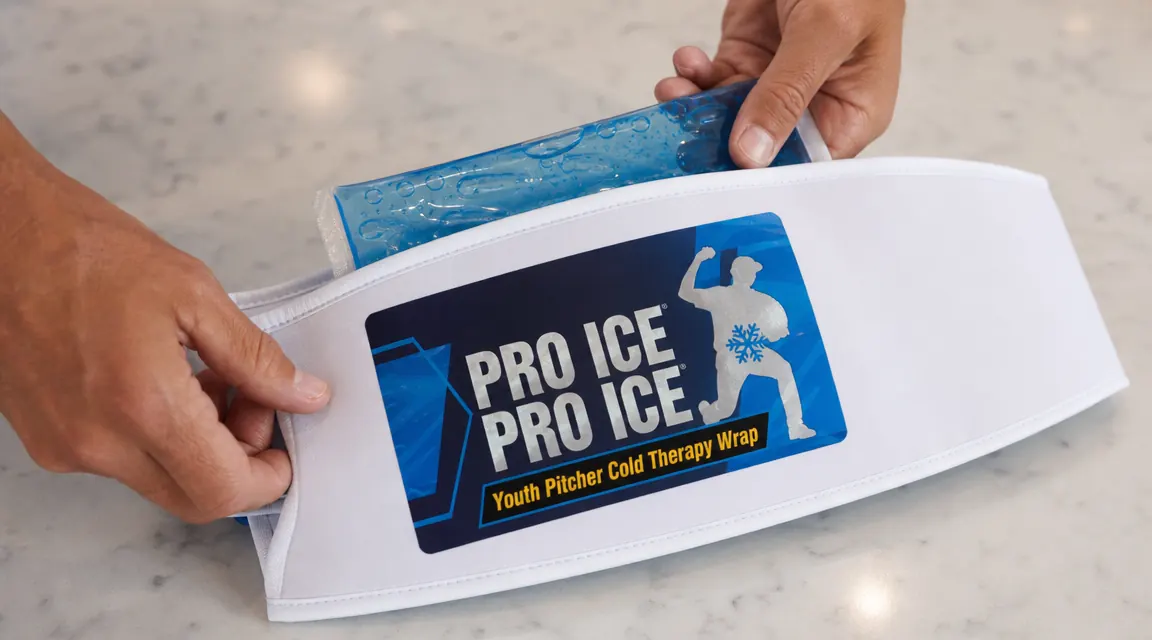
The PRO ICE wrap comes with gel ice packs that go into the neoprene sleeve pockets. What nobody tells you is that these packs need to be frozen flat and kept flat in your freezer. I stacked ours vertically behind other items the first time. The gel inside migrated toward one end as it froze, creating an uneven thickness that did not sit flush in the pocket. When Marcus wore it after his first outing with the wrap, the contact was uneven and the cold was concentrated in a small area rather than distributed across the elbow. He told me it felt like wearing an ice collar with a cold spot. I thought the product was poorly designed. It was not. My freezer storage was.
Lay the packs flat on a shelf, not leaning against anything, and freeze them for at least four hours before the first use. I keep a dedicated flat drawer in our chest freezer just for the PRO ICE packs now. When they freeze flat, they conform correctly to the neoprene pocket and you get even cold contact across the whole target area. This is not mentioned in the product instructions in any clear way, and it is the most common source of the 'cold spot' complaints you see in one-star reviews.
Mistake Two: I Applied It Too Long Without Checking the Skin
I am a nurse. I know the standard cryotherapy protocol. Twenty minutes on, skin check, never sleep with ice. I also got overconfident because the wrap felt like a medical-grade device rather than a bag of ice. The neoprene creates a layer of insulation between the pack and the skin, which moderates the cold contact. That is actually a good feature for compliance, because it reduces the risk of frost burn. But it also means the wrap feels comfortable longer than a direct ice application would, and it is easy to forget to check underneath.
The first time Marcus fell asleep in the car with it on, we were on a forty-minute drive home from a tournament. His skin was fine because the neoprene had done its job, but I had a tense few minutes checking him. Set a twenty-minute timer. Do not rely on discomfort as the cue to remove it, because with this wrap, the discomfort signal comes later than it would with direct ice. The neoprene insulation is a feature, not an excuse to leave it on indefinitely.
The Sizing Issue Nobody Talks About Clearly
This is the biggest practical issue with the PRO ICE Youth wrap, and the product listing does not handle it well. The word 'youth' does not mean what parents typically assume it means in baseball gear contexts. In most baseball gear categories, youth sizing covers kids up through about age 14, and adult sizing takes over from there. With the PRO ICE Youth wrap, the sizing refers to the arm circumference range, not an age bracket.
The youth wrap is designed for arms measuring roughly 9 to 11 inches around the elbow. If your pitcher is 15 or older and plays regularly, his arm circumference is likely at the high end of that range or past it. Marcus is 17, weighs 168 pounds, and his elbow circumference is 10.5 inches. The youth wrap fits him, but the velcro straps are nearly maxed out. If he gains any more arm mass before next season, which is likely given that he lifts three times a week, we will need the adult size.
Before ordering, take a soft measuring tape and wrap it around your pitcher's elbow at the midpoint of the joint. If the measurement is 10.5 inches or above, order the adult version regardless of age. If it is 9 to 10 inches, the youth size fits well with room to adjust. Do not skip this step. Returns are inconvenient and the difference between a properly fitted wrap and one that is slightly too snug is the difference between consistent cold contact and a wrap that migrates down the forearm mid-session.
The word 'youth' refers to arm circumference, not age. Take the measurement first. A 17-year-old with 10.5-inch elbow circumference will hit the limit of the youth size within one growth season.
The Ice Pack Replacement Cost Is Real
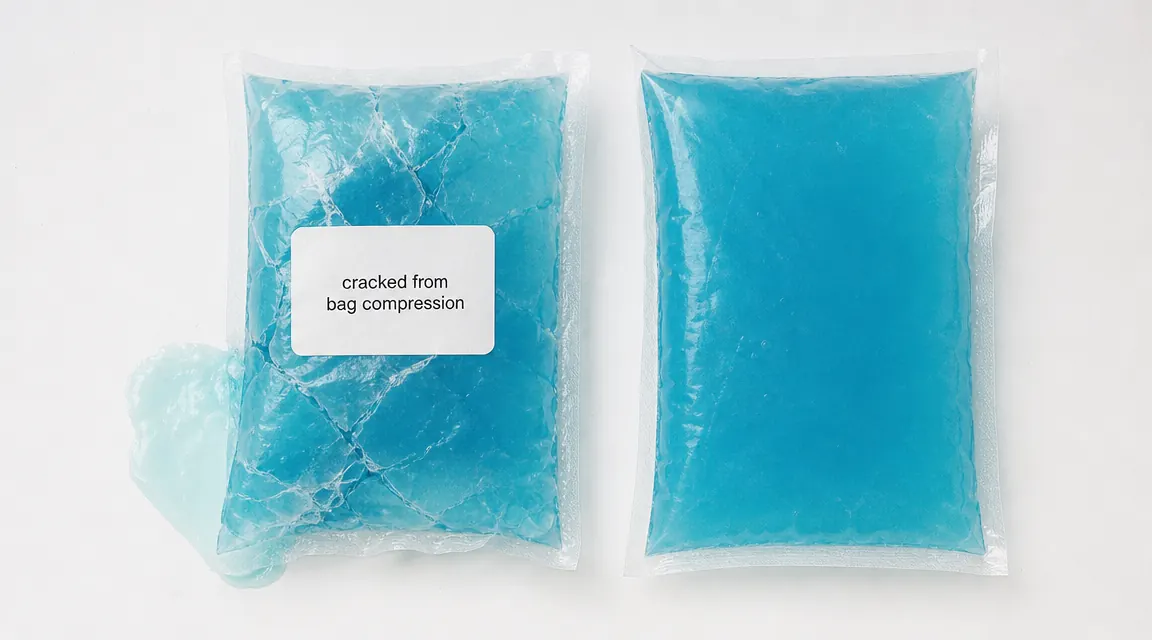
The PRO ICE wrap ships with two gel ice packs. This is a reasonable number if you store them carefully and do not abuse them. What I did not anticipate is how much wear and tear gel packs absorb inside a baseball gear bag. Marcus's bag has cleats, a batting helmet, pine tar spray, and resistance bands rattling around in it. At month four, I found one of the original gel packs had developed a hairline crack along the seam and was seeping gel. It was not a catastrophic failure but the pack was no longer usable.
Replacement packs are available directly from PRO ICE and the price is reasonable, but it is a cost line you should plan for. I now keep the packs in a small zippered pouch inside Marcus's gear bag, separate from anything heavy or sharp. We have not cracked another one since I started doing that. The packs are durable enough for normal use but not for being at the bottom of a teenager's gear bag under a helmet.
One practical note: if you are traveling to tournaments and need to ice immediately after multiple starts across a weekend, two packs is not enough. One pack needs to be in the freezer while the other is in use, which only works if you have cooler access with dry ice or a dedicated ice pack cooler at the tournament site. We solved this by buying two additional packs at the start of the season. With four packs rotating, we have never run out of cold capacity at a tournament.
The Shoulder Position Setup That Most Parents Do Not Know About
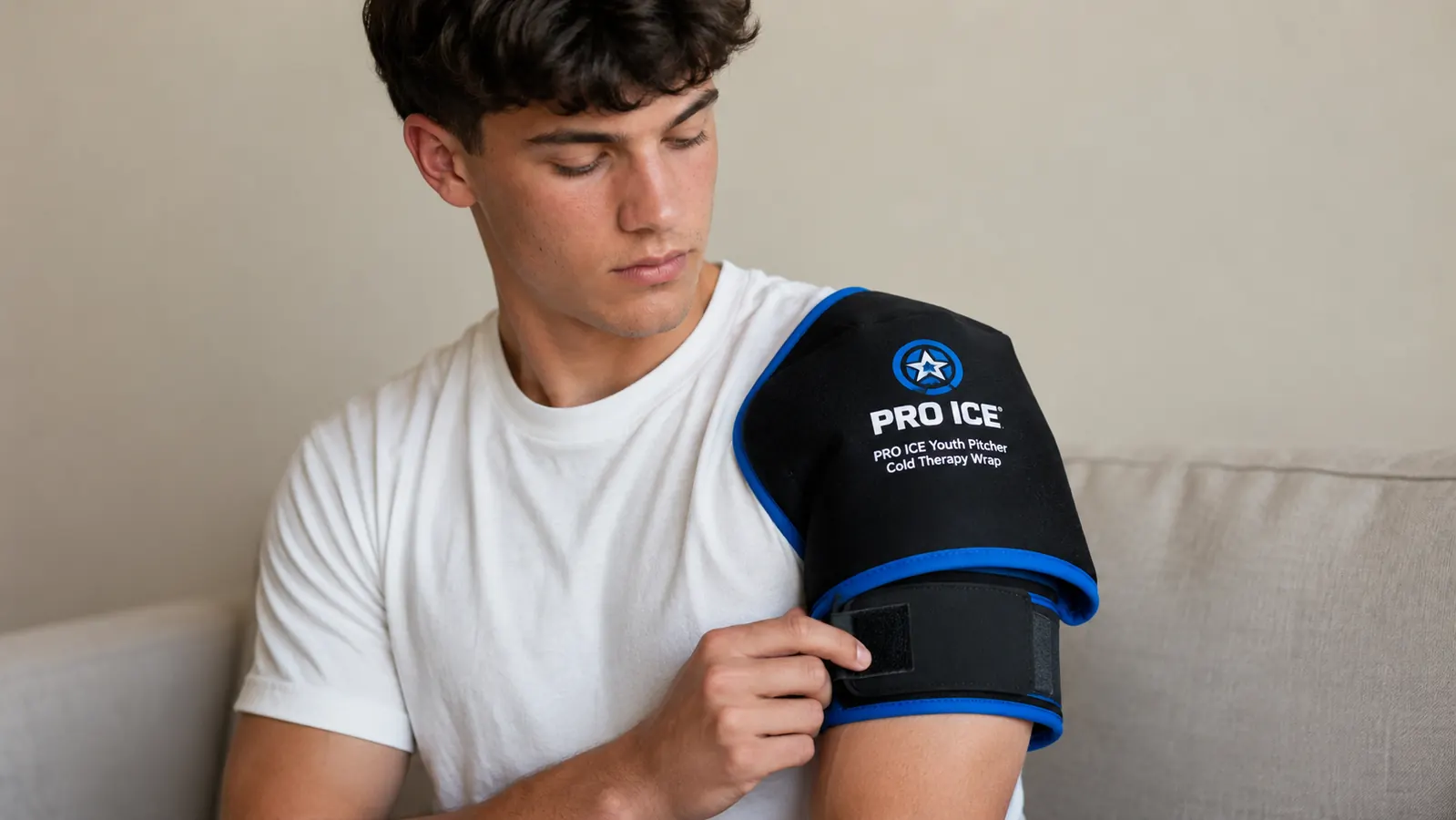
The PRO ICE Youth wrap is marketed primarily as an elbow wrap, which it is. But it has a secondary configuration that positions the ice pack against the posterior shoulder and upper arm, targeting the rotator cuff and the posterior capsule of the shoulder joint. For pitchers who report soreness that tracks up into the posterior shoulder after high-pitch-count outings, this is genuinely useful.
The setup for shoulder application is not intuitive from the packaging. The elbow strap functions as an anchor around the upper arm, and the pack pocket is positioned to sit flat against the posterior shoulder when the elbow is held at roughly 90 degrees and the arm rests in a sling-style position. It took me about ten minutes of experimenting to get the positioning right the first time. Once I understood it, it takes thirty seconds to reposition from elbow to shoulder.
What does not work is trying to ice both locations in a single session with a single pack. The pack covers one target area at a time. If your pitcher has both medial elbow and posterior shoulder soreness after an outing, you are doing two separate twenty-minute sessions, which adds time and requires two cold packs if you want to do them back to back without waiting for re-freezing. This is not a deal-breaker, but it is a workflow reality worth knowing before you are standing in a tournament parking lot at nine at night trying to figure out logistics.
What Actually Works Well When You Use It Correctly
When the packs are frozen flat, the sizing is correct, and the twenty-minute timer is set, the PRO ICE wrap does what it claims to do better than anything else I have found at this price point. The compression element is the underrated part. The neoprene sleeve provides mild circumferential compression to the elbow joint while the ice pack is working. That combination, cold plus compression, is what sports medicine literature on cryotherapy for soft tissue injuries consistently recommends. A loose ice bag in a towel provides one of those two things. The PRO ICE wrap provides both.
The elevation compatibility is also worth mentioning because it is functionally important and most parents have not thought about it. Optimal post-outing icing protocol involves keeping the arm above the level of the heart while icing, to reduce hydrostatic pressure and help the lymphatic system move post-exercise fluid out of the tissue. You cannot maintain arm elevation with a loose ice bag. The wrap stays in place when Marcus's arm is resting on the car door with his elbow propped above chest level. He falls asleep like that on the ride home. The wrap is still in position when we arrive.
The neoprene sleeve itself has held up well across a full season of weekly use, hand washing in cold water, and the general abuse of a teenager's gear bag. No tearing, no significant elasticity loss, no velcro failure beyond some normal fuzz accumulation that still grips cleanly. The build quality is noticeably higher than the cheaper arm wraps I looked at before purchasing this one.
What I Liked
- Gel packs hold therapeutic cold temperature for 20-plus minutes when frozen flat, long enough for meaningful tissue cooling
- Compression plus cold in a single application, which matches what sports medicine literature recommends
- Stays in place when the arm is elevated, which is the correct icing position for post-outing arm care
- Dual application for elbow and posterior shoulder using the same product
- Neoprene sleeve durable over a full season of regular use and gear bag abuse
- Neoprene insulation layer reduces frost burn risk compared to direct ice contact
Where It Falls Short
- Gel packs must be frozen flat or cold contact becomes uneven, and the instructions do not make this clear
- Youth sizing is based on arm circumference, not age, and will be too small for physically developed 16-17 year olds
- Gel packs are vulnerable to cracking inside a packed gear bag and create an ongoing replacement cost
- Cannot ice elbow and shoulder simultaneously, requiring two separate sessions for pitchers with multi-site soreness
- No temperature indicator to signal when the pack has warmed past therapeutic range
Who This Is For
The PRO ICE Youth wrap is the right product if you have a pitcher between ages 12 and 16 with a measured elbow circumference under 10.5 inches, you are committed to a consistent post-outing icing protocol, and you understand that the long-term cost of replacement packs is part of the ownership picture. It is also the right product if your son has had any medial elbow imaging or UCL-related workup, because proper cryotherapy application after outings is the kind of thing orthopedic surgeons and physical therapists actually tell you to do, and this wrap makes doing it correctly much easier than improvising with ice bags.
Who Should Skip It
Skip the youth version and order the adult size if your pitcher is 16 or older and physically developed. Skip this product entirely if you are looking for something that addresses both shoulder and elbow simultaneously in a single icing session, because the design does not work that way. And if your pitcher does not have an established post-outing icing habit and is resistant to adding one, this wrap will not change that behavioral reality. The product cannot do the work of building the habit. You have to do that part.
When it fits right and you use it right, it is the best post-outing icing tool I have found for a teen pitcher's arm.
Most of the frustrations parents report with the PRO ICE Youth wrap are setup and sizing issues that are easy to avoid if someone tells you about them in advance. Now you know. Check current pricing and make sure you measure before you order the youth versus adult size.
Amazon Check Today's Price on Amazon →